The market layer for AI hardware.
Stoa starts where GPUs actually trade: supply, demand, price, and trust.
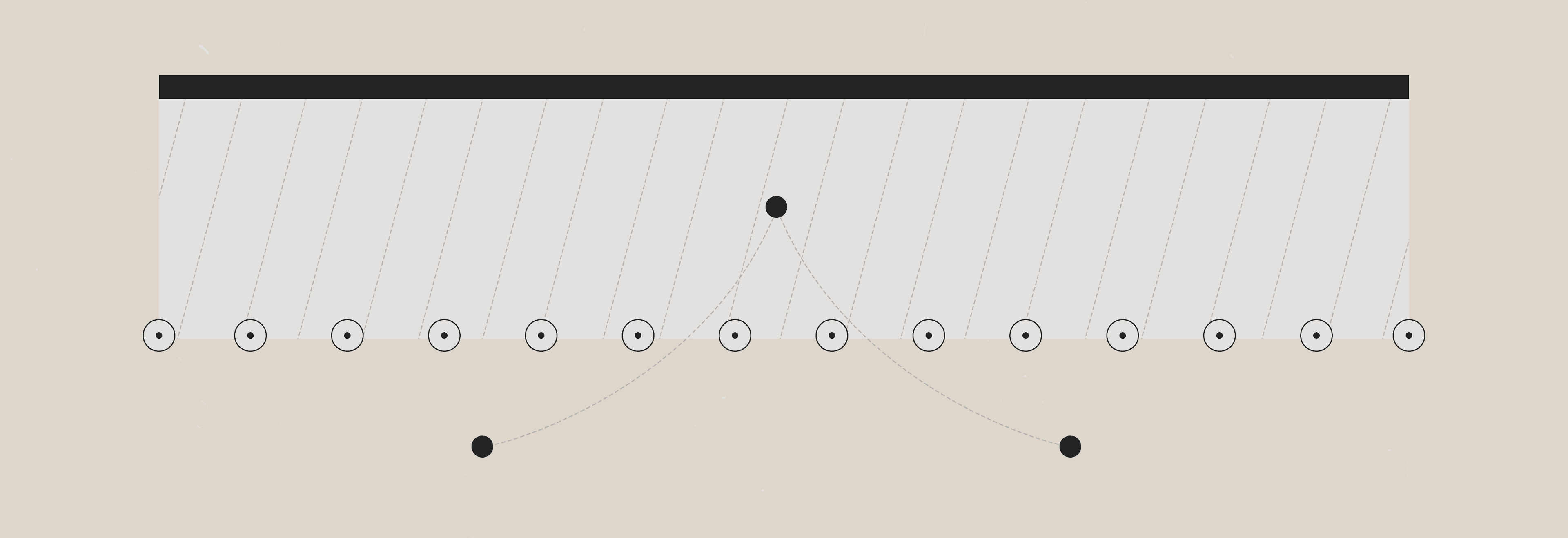
What Stoa is
From hardware flow to market structure.
GPUs are becoming balance-sheet assets before the market around them has fully formed. Stoa turns trading activity into the context institutions need to price, trade, and manage AI hardware.
01
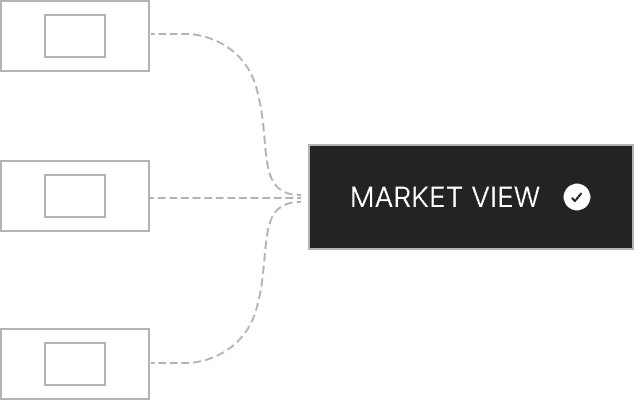
Verified supply
Inventory and demand signals move from private channels into a market view Stoa can route and price.
Inventory and demand signals move from private channels into a market view Stoa can route and price.
02
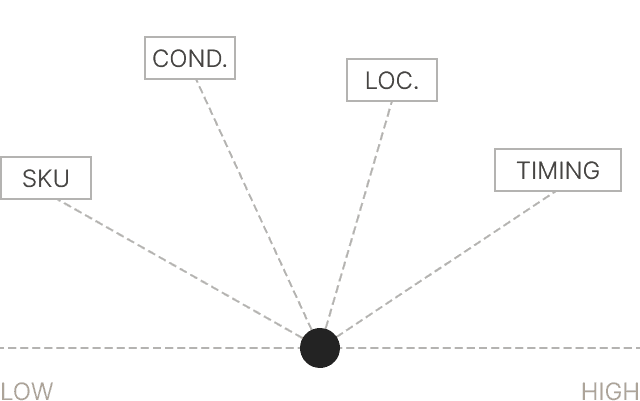
Contextual pricing
Clearing levels carry context: SKU, condition, location, timing, and counterparty quality.
Clearing levels carry context: SKU, condition, location, timing, and counterparty quality.
03
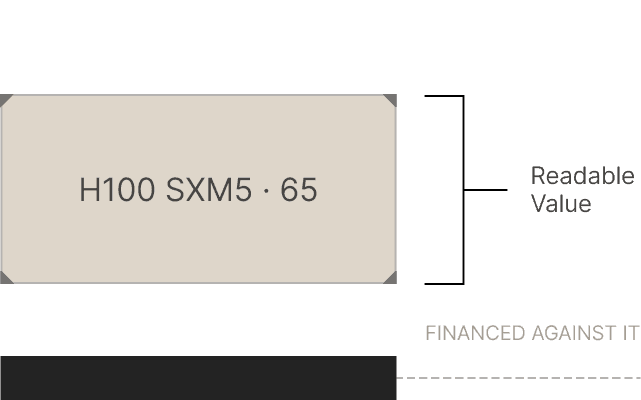
Financeable collateral
Readable hardware markets support financing, risk assessment, and liquidation planning.
Readable hardware markets support financing, risk assessment, and liquidation planning.
Product
AI hardware is becoming a market before it becomes an asset class.
Every GPU transaction carries signal: available supply, demand, clearing price, and counterparty performance. Today much of that signal stays in calls, spreadsheets, and private relationships.
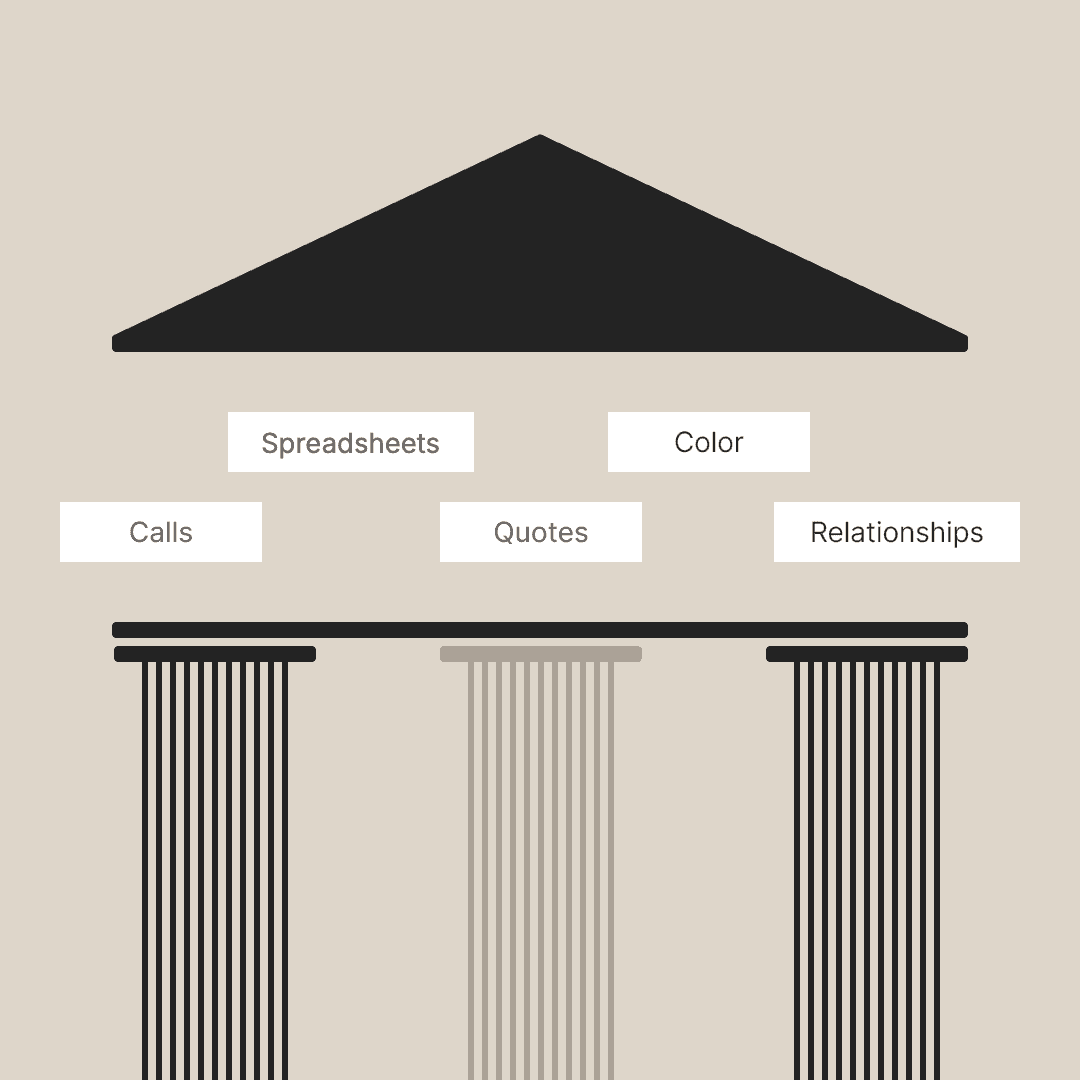
Captured all under one roof
Stoa captures market context at the point of trade so participants can build better liquidity, financing, and reference pricing for AI hardware.